
One of the biggest mistakes we see in medical device development is treating verification testing as something that happens near the end of the project.
It sounds logical. Finish the design, then verify that it meets the requirements.
But this practice can lead to delays, redesigns, and unnecessary cost.
What Is Verification Testing in Medical Device Development?
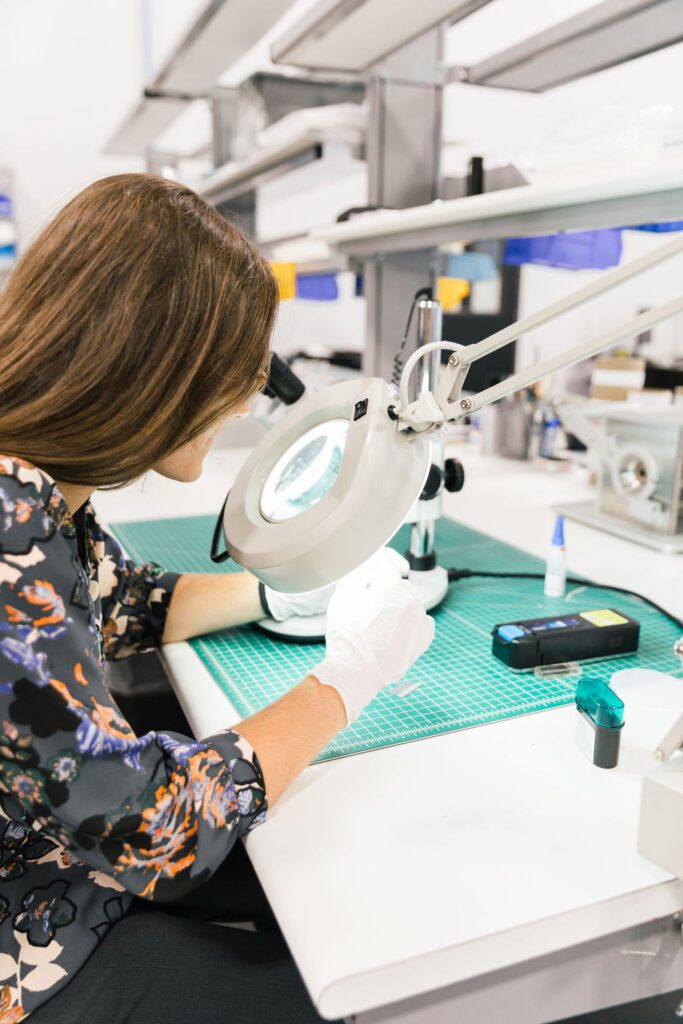
Medical device verification testing provides objective evidence that design outputs meet established design inputs.
In simple terms, verification answers the question:
Did we design the device correctly?
Formal verification testing is typically performed using approved protocols, predefined acceptance criteria, representative test articles, calibrated equipment, and controlled documentation.
But the value of testing is not limited to the final verification report. Testing is also one of the most effective ways to learn about a device while its design is still evolving.
Every test can help answer engineering questions:
- Is the device strong enough?
- Does it perform consistently?
- Are the design requirements measurable?
- Are the proposed test methods appropriate?
- Which variables have the greatest effect on performance?
- Where are the most significant technical risks?
The sooner those questions are answered, the more valuable the information becomes.
Start Testing Before the Design Is Finalized
Many teams wait until they have “the final design” before running formal verification.
Instead, we encourage customers to begin evaluating critical requirements much earlier using prototypes, even partial builds, benchtop models, and simple fixtures.
Early testing can be performed using:
- Component or subassembly samples
- Proof-of-concept prototypes
- Partial device assemblies
- Benchtop models
- Simulated-use fixtures
- Prototype test methods
These early evaluations may include feasibility, characterization, or pre-verification testing rather than formal design verification.
For example, a catheter team can assess tensile strength, burst pressure, kink resistance, torque response, flow, or tip flexibility before design freeze. Even with non-final test articles, the results can reveal whether the design is on the right track.
Early testing identifies weak points while they are still inexpensive to fix.
Every Failure is Cheaper Early
Finding a problem after design freeze can impact drawings, tooling, suppliers, risk files, schedules, and budgets.
Finding that same problem six months earlier may require only a small design change, another prototype build, and a few early manufacturability considerations.
The engineering work is often the same.
The cost of making the change sooner than later is dramatically different.
Test the Highest-Risk Requirements First
Not every design requirement needs to be evaluated at the same time.
Early in development, teams should prioritize the requirements most likely to affect device safety, performance, manufacturability, or clinical use.
Risk management can help determine which requirements should be tested first. Requirements connected to significant hazards, new technologies, tight design margins, or uncertain test methods are often strong candidates for early evaluation.
Develop the Test Method Alongside the Device
A device may be ready to test while the proposed test method is not.
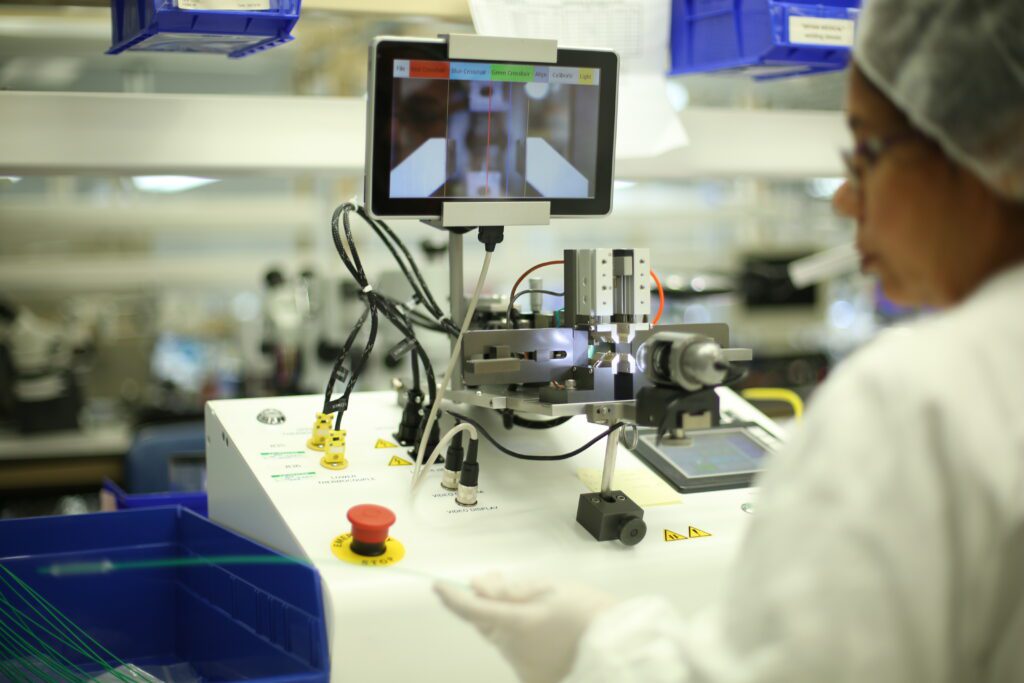
Fixtures, sample preparation, equipment settings, environmental conditions, measurement techniques, and operator instructions can all influence test results.
Beginning test-method development early gives engineers time to determine whether a method is:
- Repeatable
- Sensitive enough to detect meaningful differences
- Appropriate for the device configuration
- Representative of intended use
- Capable of producing objective results
- Practical for formal verification testing
For example, a requirement stating that a catheter must be “flexible” is difficult to verify objectively. Early testing may show that the requirement needs to define a measurable force, deflection, bend radius, or comparative performance threshold.
Testing does not simply evaluate the design. It can also improve the quality of the requirements themselves.
Build Verification Throughout Development
Rather than thinking of verification as one large event, think of it as a series of milestones throughout development.
As the design matures, increase the rigor of the testing.
By the time formal verification begins, there should be very few surprises.
The verification report becomes confirmation of what the team already knows rather than the first time they’re discovering whether the device works.
A Better Path to Market
Successful device development is about reducing technical risk as quickly as possible.
Early verification testing helps teams make better design decisions, avoid expensive late-stage changes, and move toward validation with greater confidence.
The projects that reach the finish line most efficiently usually aren’t the ones with the fewest problems.
They’re the ones that discovered their problems the earliest.